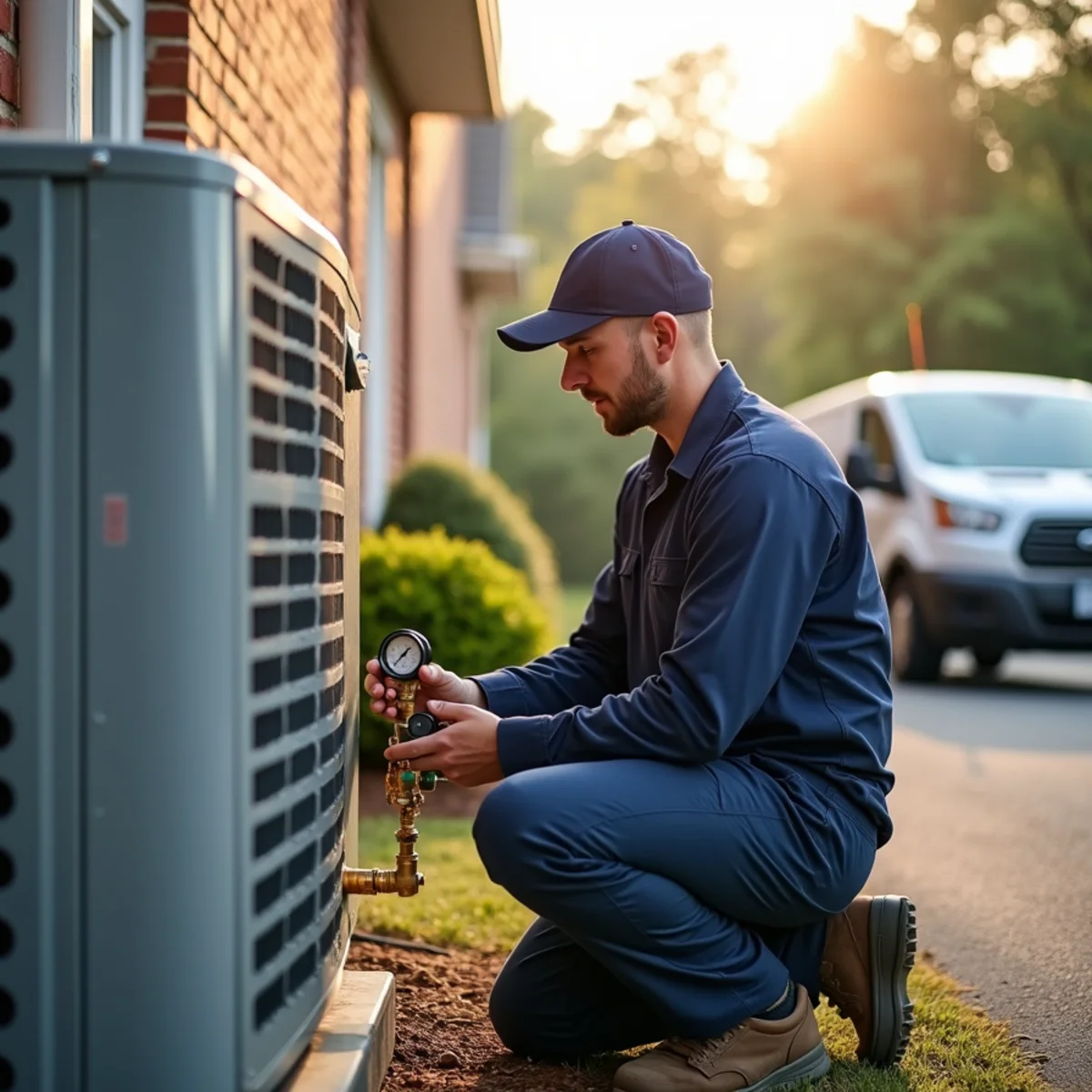
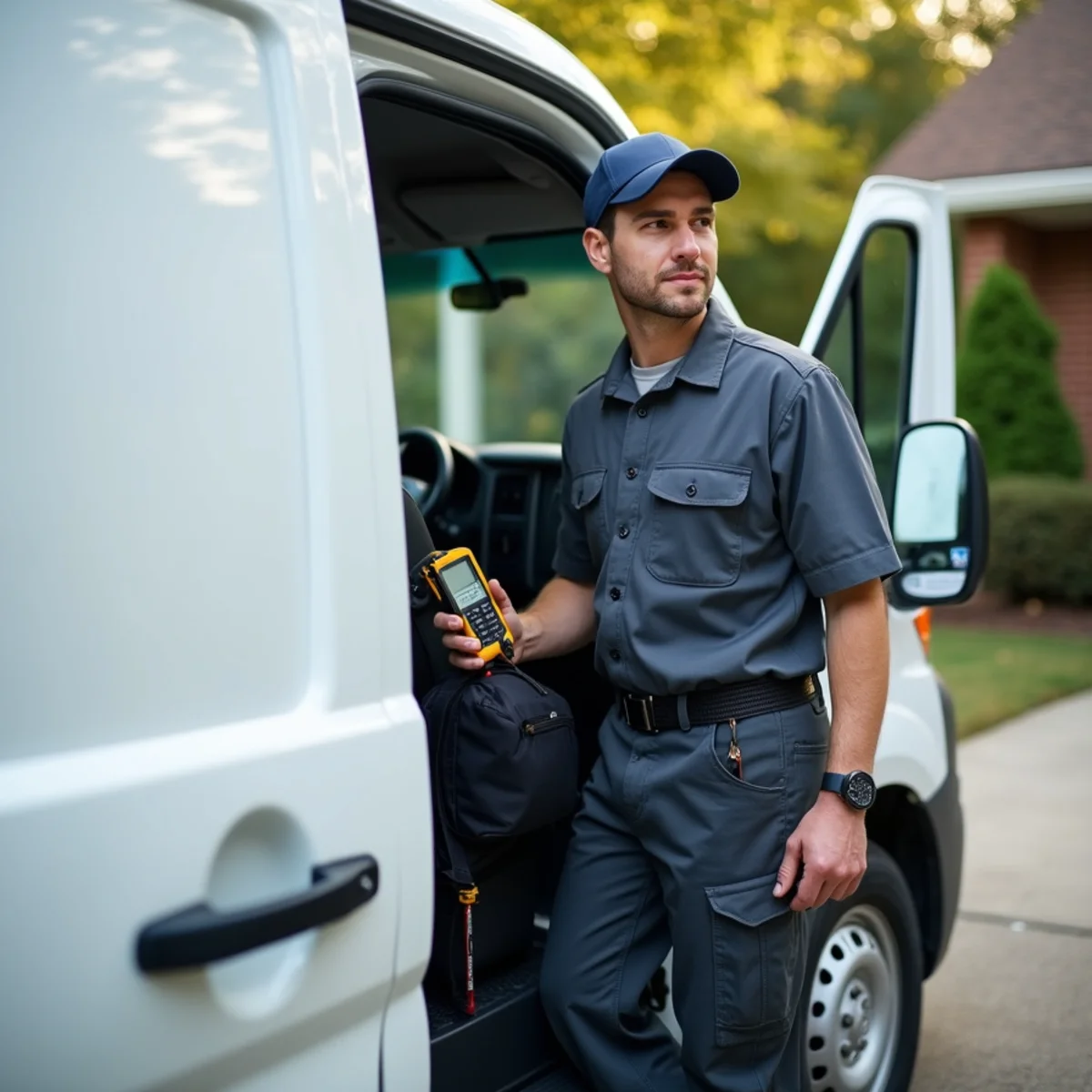
With a median home construction year of 1973, Dunn’s housing stock presents a unique cross-section of heating and cooling challenges. From early-1900s homes in the downtown historic district to the wide ring of 1960s to 1980s brick ranches sitting on vented crawl spaces, equipment operates under intense climate demands.
In fact, official 2024 regional climate data records 2,203 cooling degree days (CDD) and 1,866 heating degree days (HDD) across our service corridor. This heavy balance means systems face nearly equal runtime stress across both summer heat waves and winter freezes.
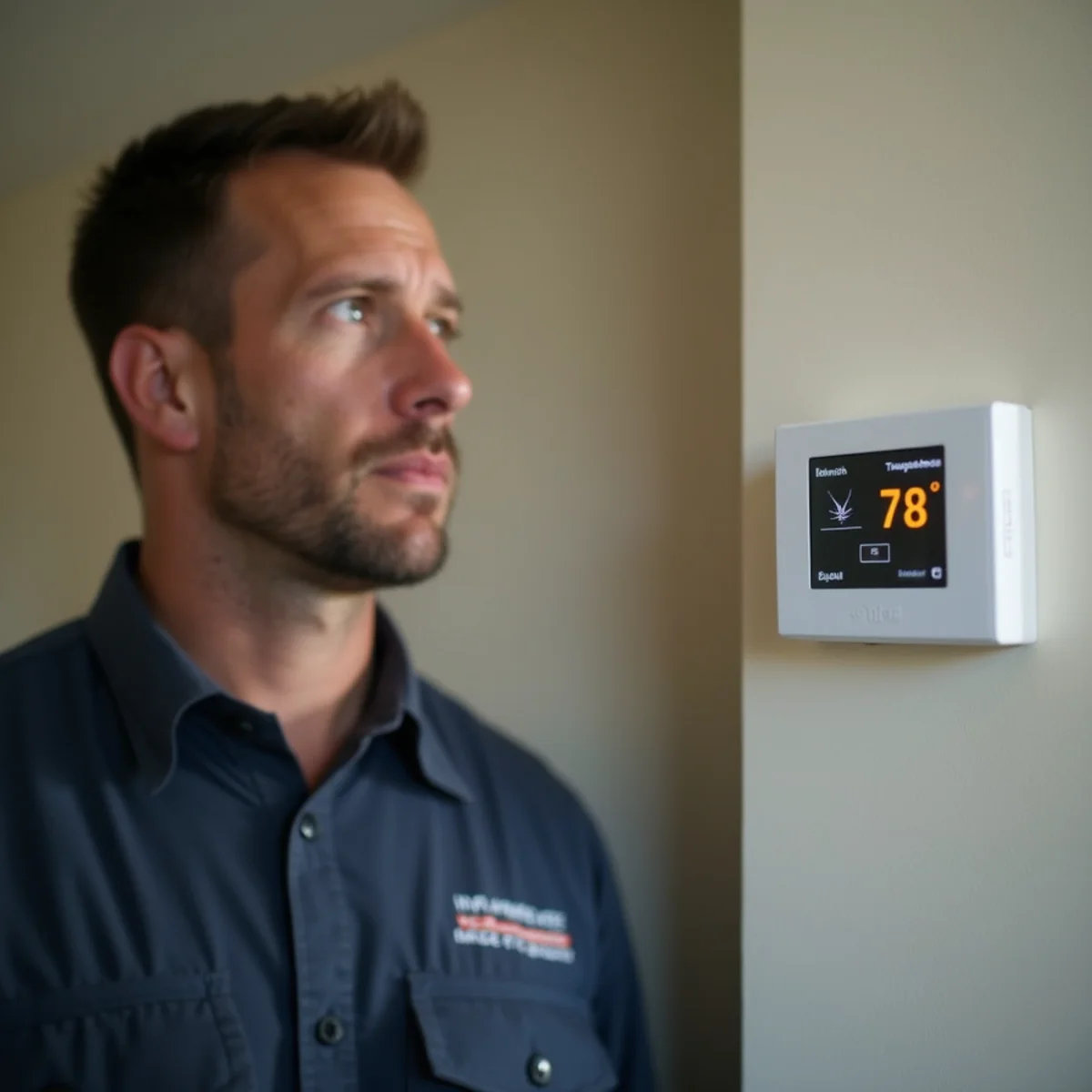
In summer, Dunn’s humid subtropical climate pushes outdoor temperatures into the 90s with relative humidity frequently above 80%. Here, your system must handle a heavy latent load—the thermal energy required to wring moisture from indoor air while simultaneously cooling room temperatures. Air conditioners extract 10 to 20 gallons of water daily. If an oversized system short-cycles, it cools the home too fast without running long enough to dehumidify, leaving indoor air damp, clammy, and prone to mold growth.
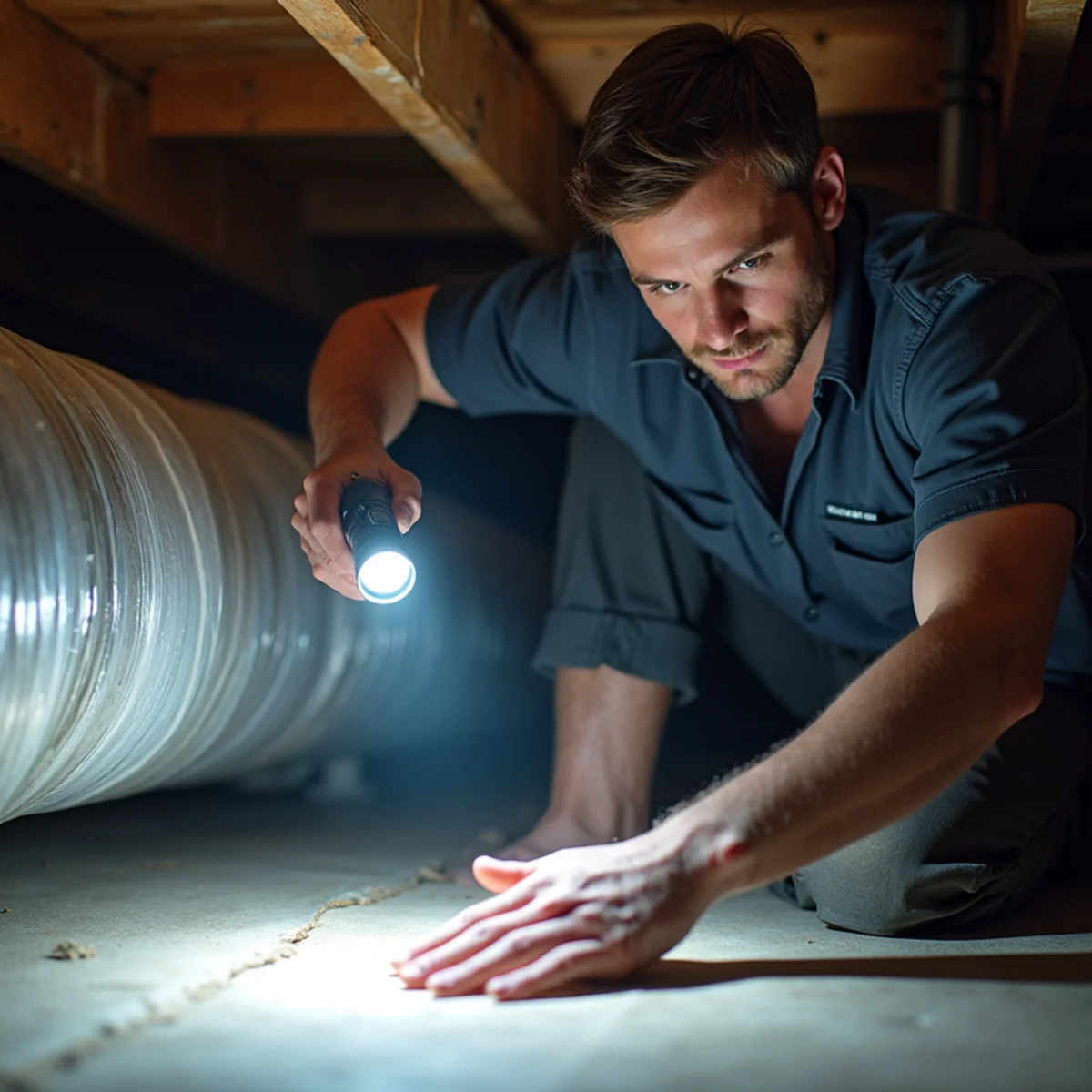
Beneath brick ranches, crawl space flexible ductwork frequently sweats when humid air contacts cold flex ducts. In accordance with ENERGY STAR duct guidance, we inspect duct runs for proper air sealing with mastic paste, replace fallen runs, and ensure ductwork in unconditioned crawl spaces is insulated to R-6 or higher.
In winter, heat pumps carry the primary load. When cold snaps drop temperatures below freezing, weak heat pumps get stuck on expensive auxiliary electric heat strips, tripling Duke Energy power bills. Add to that the legacy of severe storm flooding along the Cape Fear and Neuse river corridors from Hurricanes Matthew and Florence, and Dunn requires technicians who truly understand local mechanical systems.